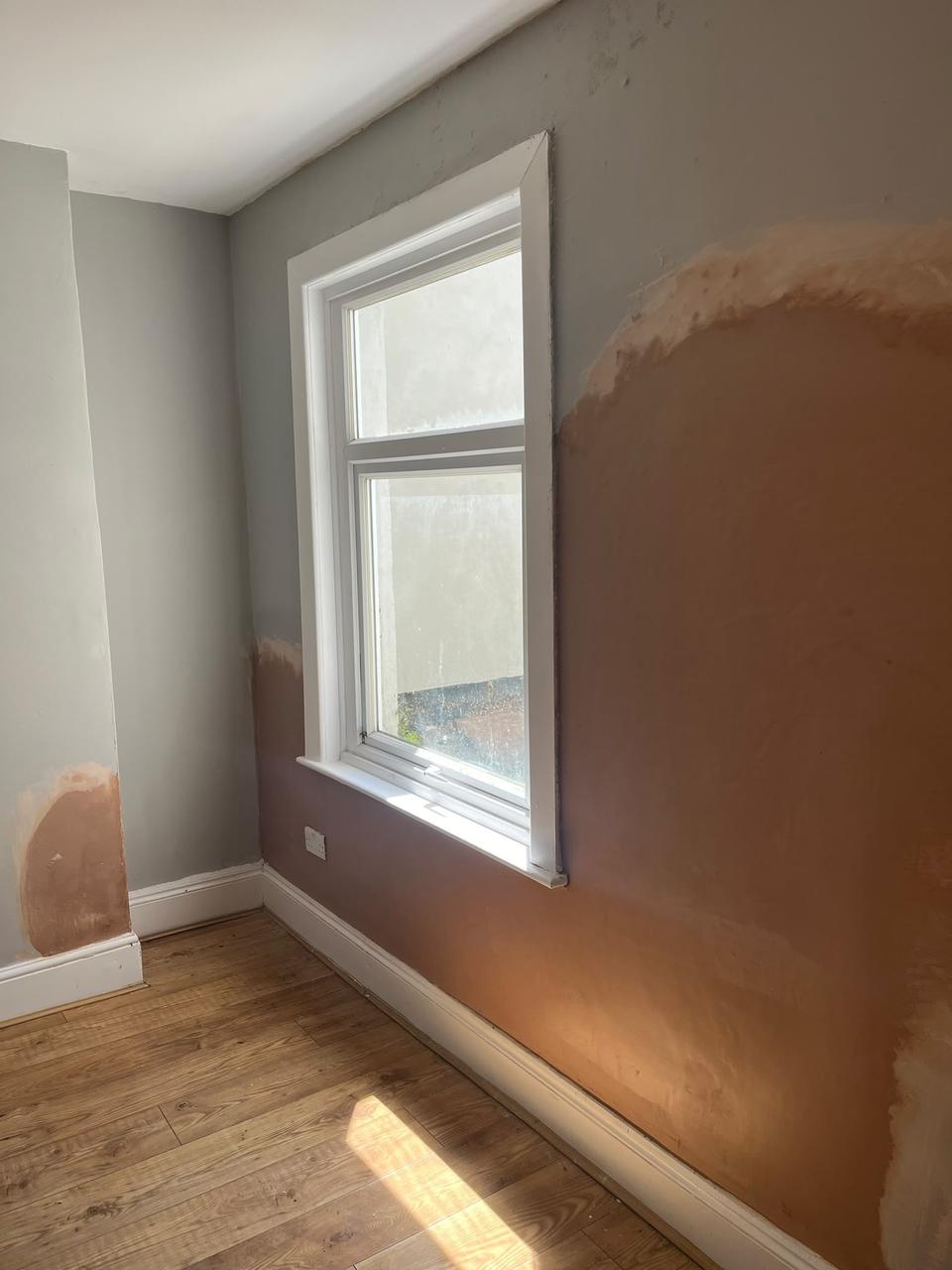
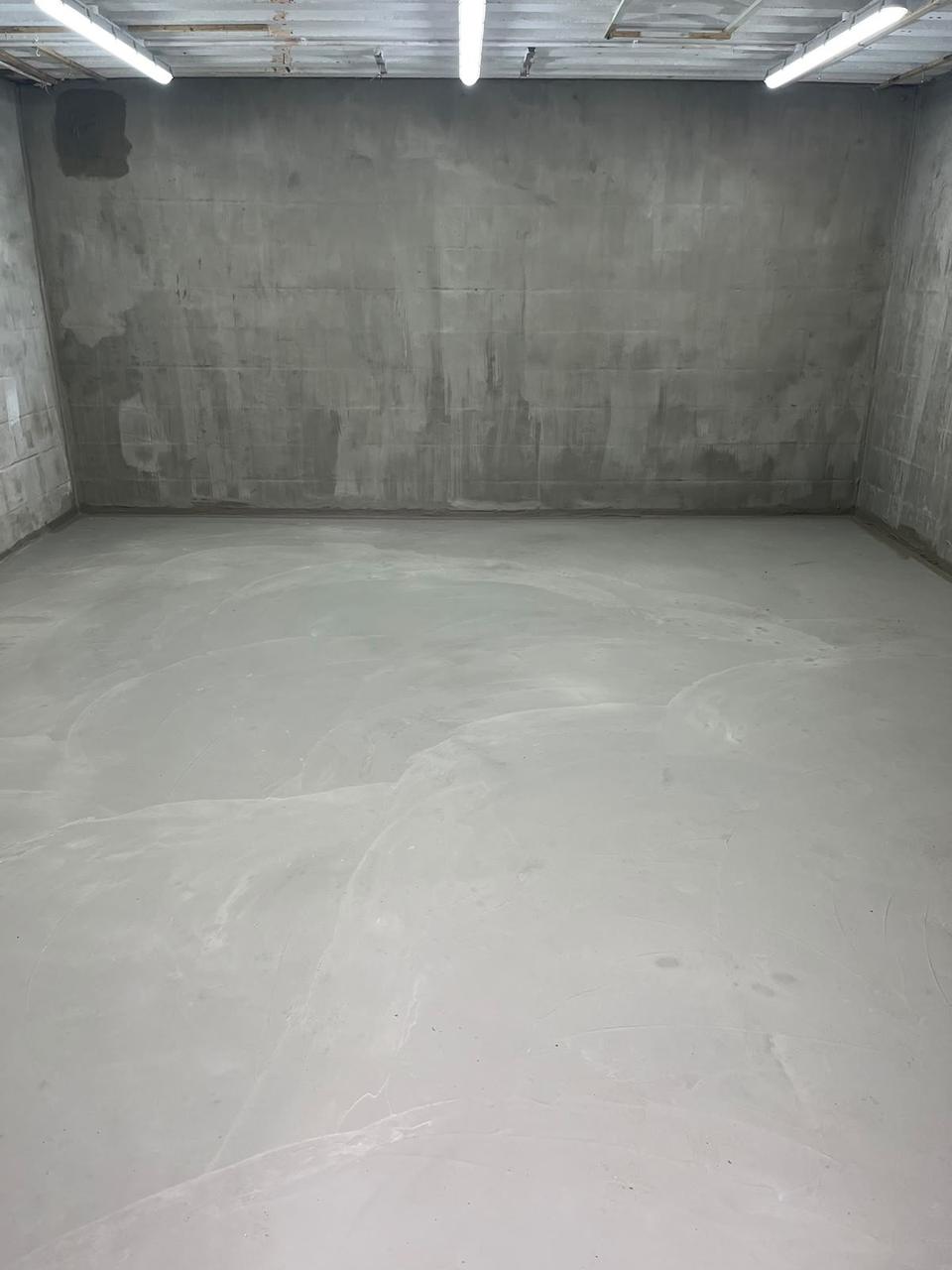
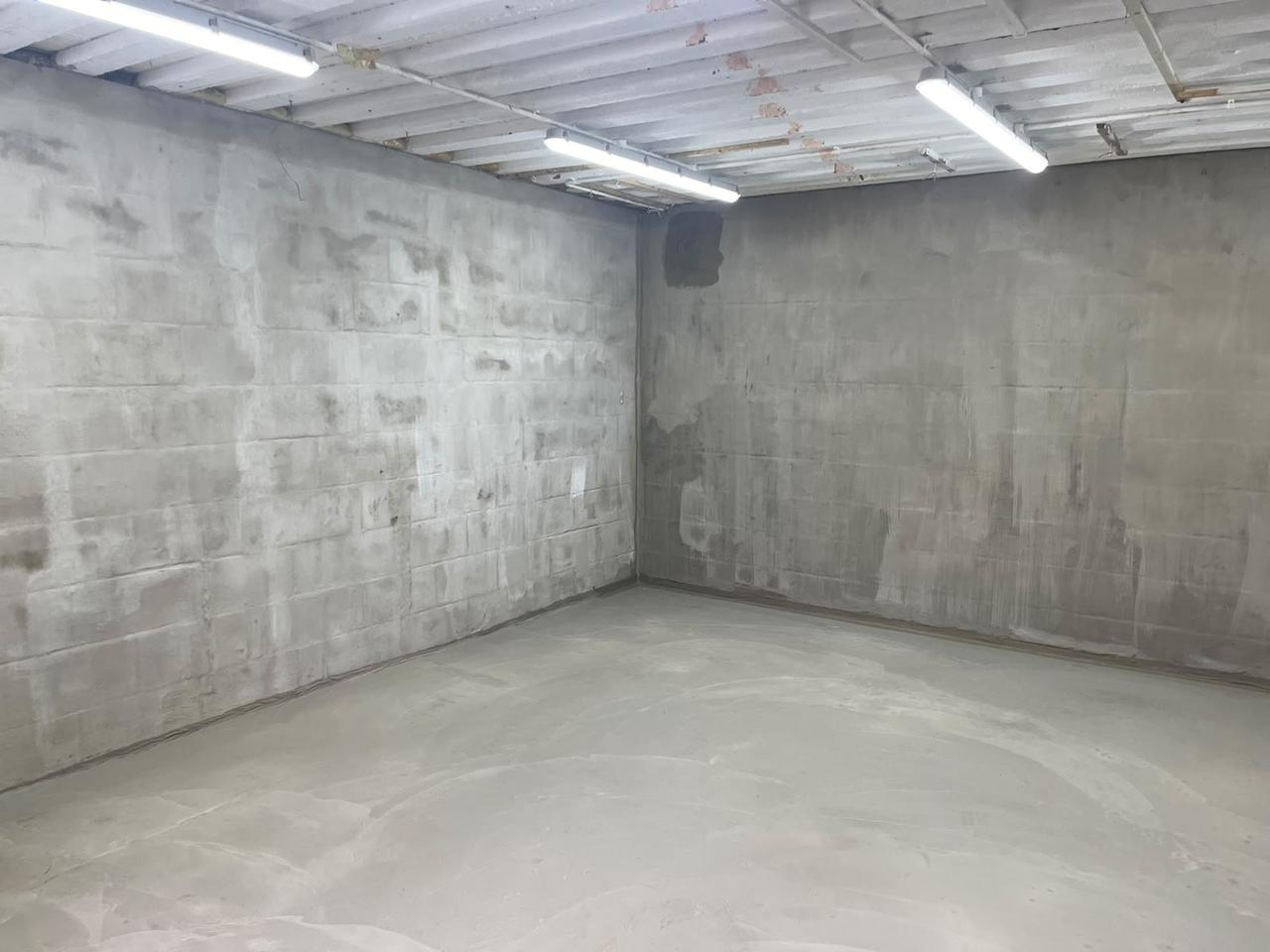
Wall after damp proof plastering

Not sure which one you've got?

Rising, penetrating and condensation look similar and need completely different fixes. Jack will tell you which it is, free.

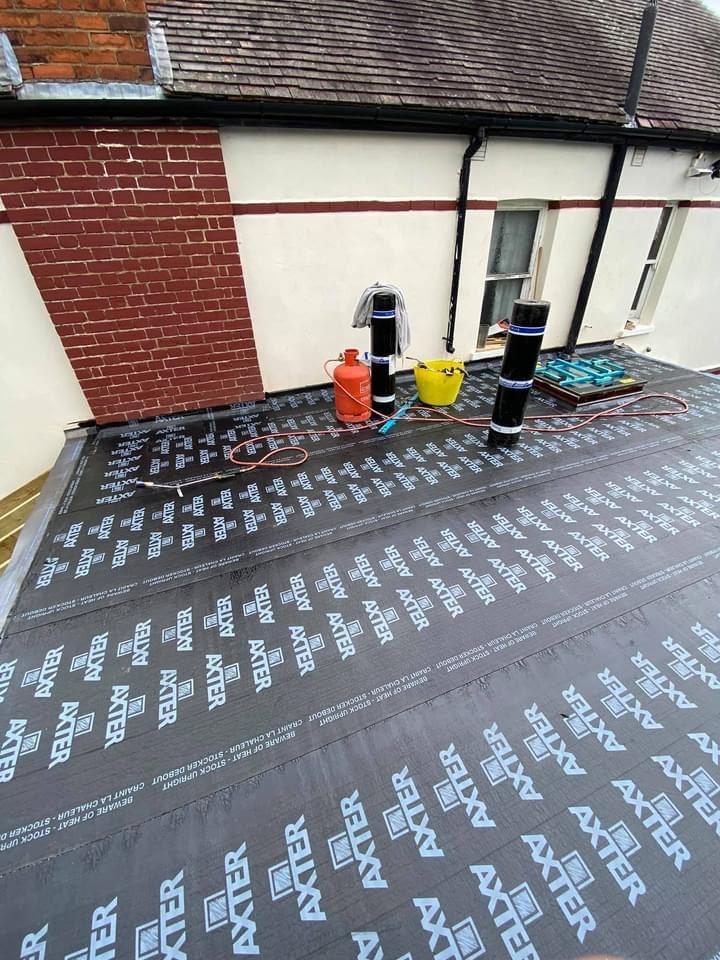
Torch-on felt being laid

Strip it back. Do it once.

We take the covering off, replace anything rotten and insulate to current regs before the new system goes down.

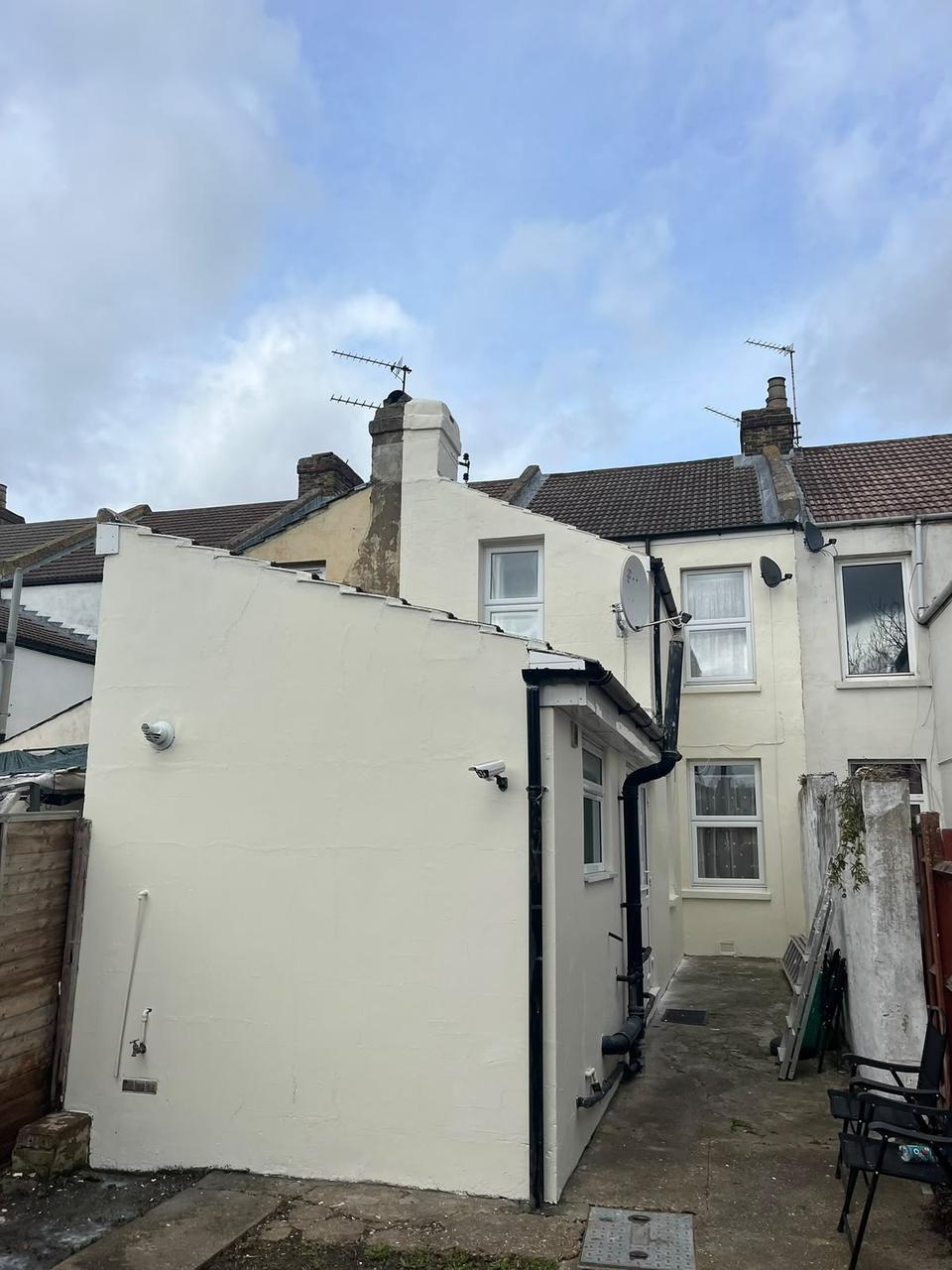
Elevation finished in flexible wall coating

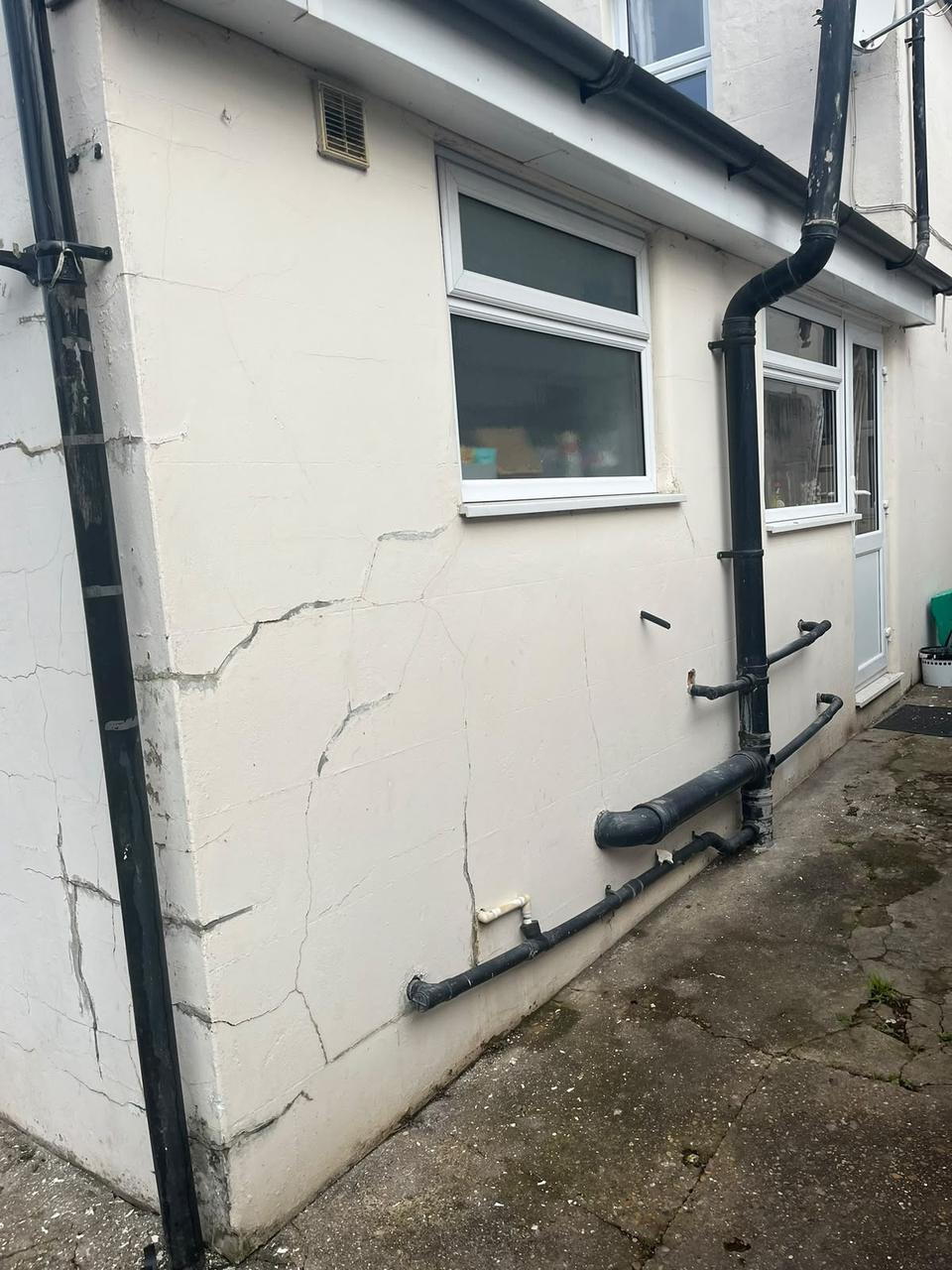
Cracked render, stained walls

A flexible coating bridges hairline cracks and sheds water while letting the wall breathe. Ten to fifteen year finishes.

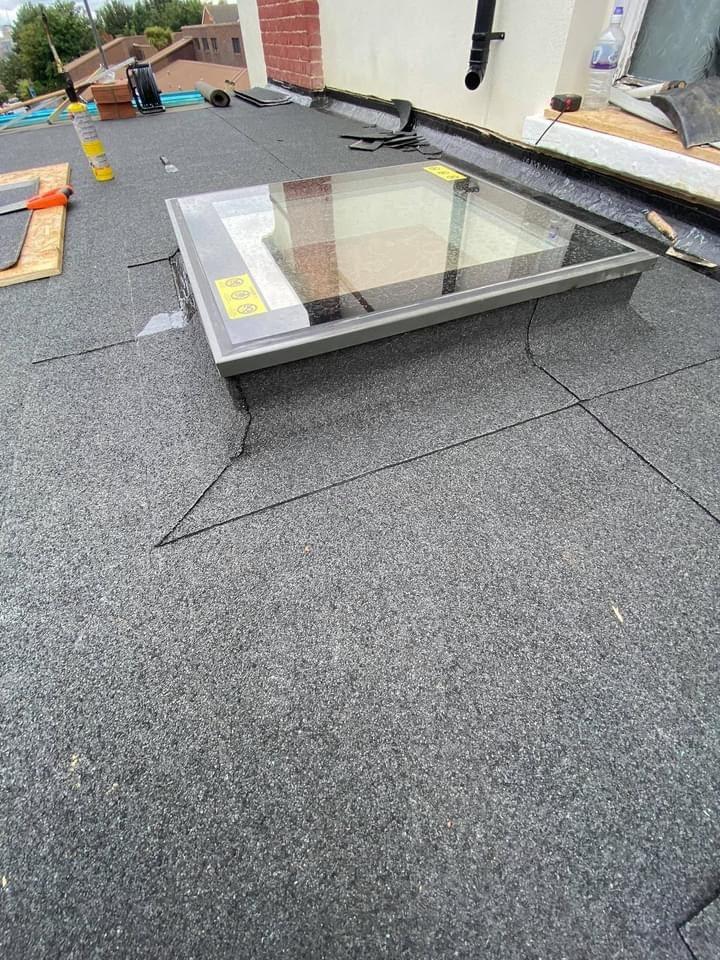
Skylight detail dressed into new felt

Jack, William and a small team

The person who quotes your job runs it, and answers the phone afterwards. Employed teams, £5m public liability.

Meet the team

Exterior wall coatings,
render & tanking in Kent.

Keeping water out of the wall in the first place — and getting it out of the cellar. Free survey, findings in writing, one fixed price before anyone starts.

WhatsApp a photo
Genuinely free · No obligation
Stopping it at the outside

The cheapest damp fix is usually outside.

Cracked render, porous brickwork and failed pointing let water straight through a wall, and it shows up inside as a damp patch that gets worse every time it rains. Replastering that wall achieves nothing while the outside is still letting water in.

A properly applied coating bridges hairline cracks, sheds water, and still lets the wall breathe — which matters, because sealing a wall completely traps moisture inside it and makes things worse. It's also the point at which a tired-looking house starts looking after itself again.

When a wall needs attention

  • Hairline cracking across the render
  • Render sounding hollow when tapped, or blown patches
  • Green or black staining down the elevation
  • Damp patches inside that worsen after rain
  • Paint flaking or blistering off the outside wall
  • Water sitting in a cellar or basement floor
  • A musty smell coming up from below

Most of these are cheaper to sort than people expect, and doing so often removes the need for internal work altogether.

What we do

Weatherproof outside. Dry below.

01 — Exterior

Colour wall coatings

A flexible, breathable coating applied over the existing render across the whole elevation. It moves with the building rather than cracking with it, bridges existing hairline cracks, and sheds rainwater while still letting moisture vapour escape from inside the wall.

It comes in a wide range of colours, so it does two jobs at once — the wall stops letting water through, and the house stops looking tired. Applied to full elevations rather than patched, so you don't get a visible repair.

Textured or smoothFinish
Wide rangeColours
Bridges hairline cracksProperty
Typically 10–15 yearsLife
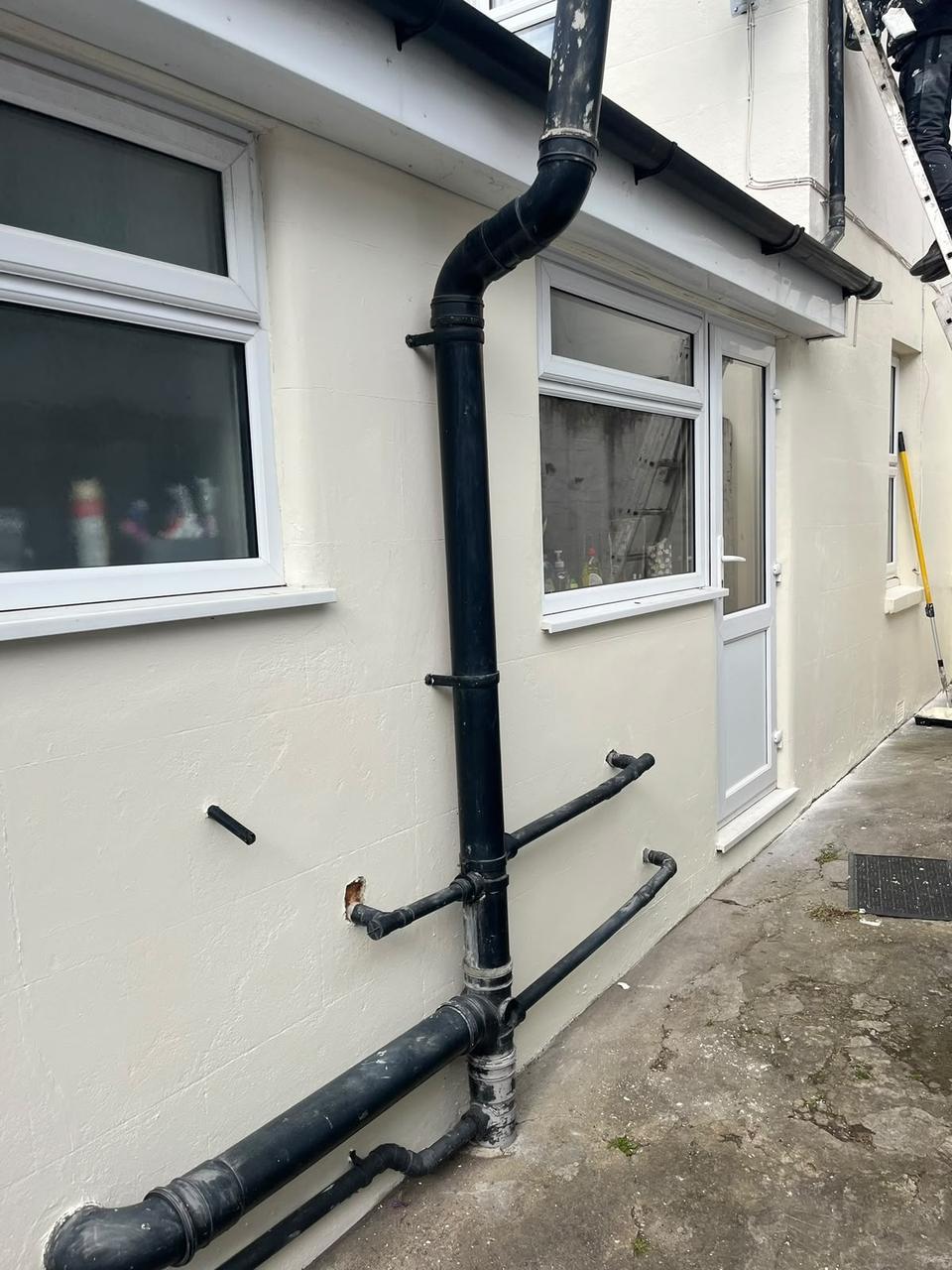
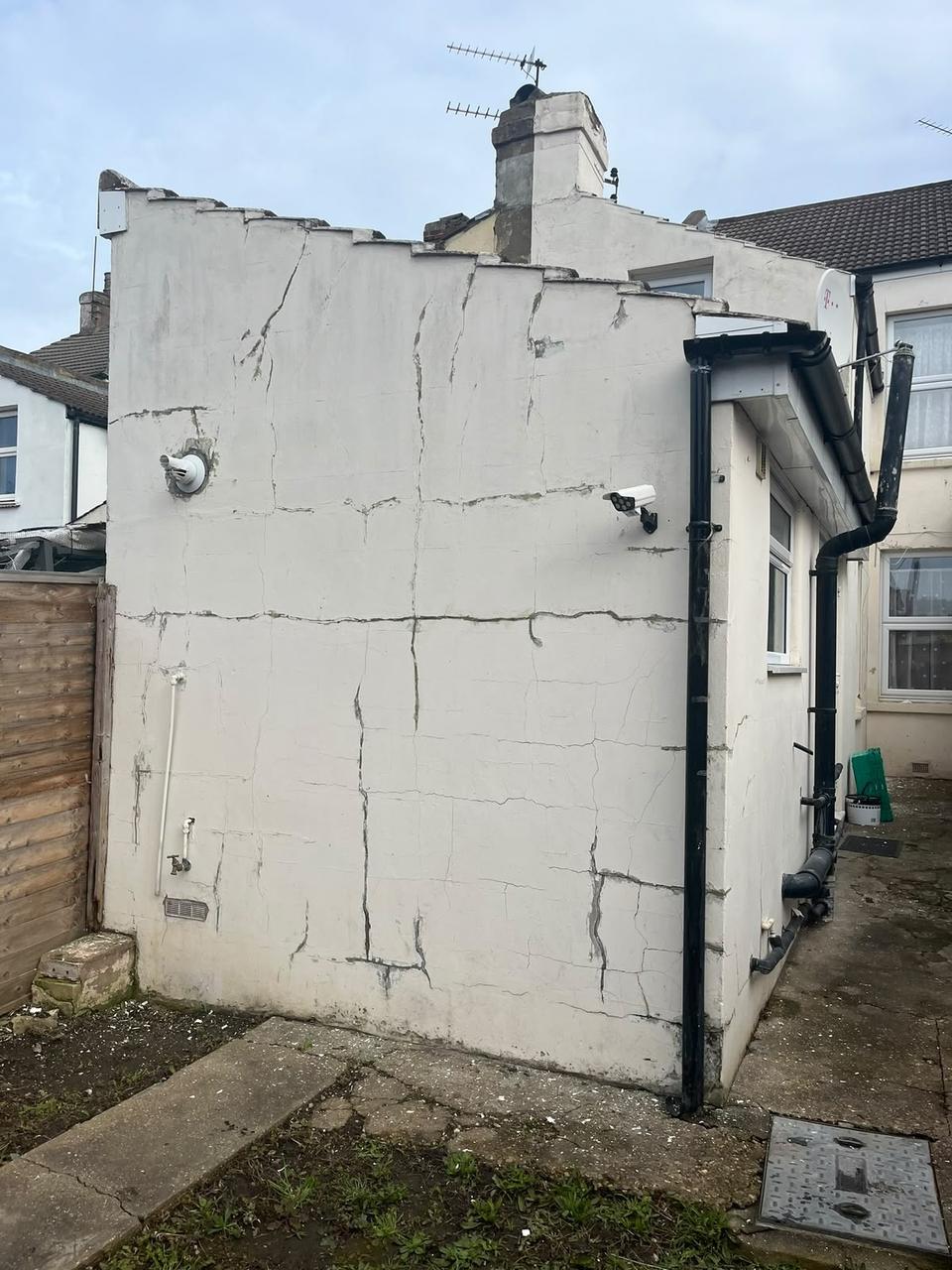
Side wall with widespread crackingSame wall after coating
BeforeAfter
02 — Exterior

Clear coatings for brickwork

For brickwork you don't want to cover up. A clear breathable sealer soaks into the masonry and repels water without changing how the wall looks — useful on period properties, face brick elevations, and anywhere a coloured coating would be wrong.

It won't bridge cracks the way a textured coating does, so it suits sound brickwork that's simply become porous rather than walls with movement in them. We'll tell you at the survey which of the two your wall actually needs.

InvisibleFinish
Face brickworkBest for
BreathableProperty
Original appearanceKeeps
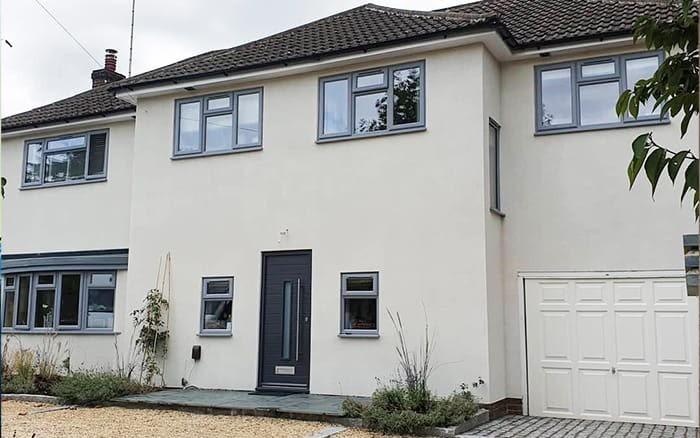
Brick and rendered elevation after treatment
03 — Exterior

Cork spray render for solid walls

A sprayed cork finish that weatherproofs the wall and adds a layer of insulation at the same time. Particularly useful on solid-wall properties that can't take cavity wall insulation, which covers a lot of the older housing stock around Gravesend and North Kent.

It's naturally flexible so it copes well with movement, it's breathable, and it comes in a range of finishes. More expensive than a standard coating, but it's doing two jobs.

Natural corkMaterial
Thermal insulationAdds
Solid wallsBest for
Highly flexibleAlso
Property finished in cork spray render
04 — Exterior

Crack & render repair

Cracks get cut out, raked back to sound material and made good before anything goes over the top. Blown or hollow render is removed rather than coated over, because a coating applied to loose render fails with the render underneath it.

Where cracking looks structural rather than superficial we'll say so and tell you to get a structural engineer in before we do anything cosmetic. Coating over a moving crack just hides it until it reappears.

Find the causeFirst
Cut out and make goodThen
Blended to matchFinish
A full coatingOften with
Rear elevation with cracked renderElevation after repair and coating
BeforeAfter
05 — Exterior

Basement & cellar tanking

Cellars and basements sit below the water table, which means they need a waterproofing system rather than a damp treatment. A damp proof course does nothing here — the water isn't rising through a wall, it's pressing against it.

Depending on the space we'll either tank the walls and floor with a cementitious system, or fit a cavity drain membrane that manages water to a sump and pump. Either way you end up with a dry room you can use rather than somewhere to keep the bikes.

Cementitious · Cavity drainSystems
Sump and pump where neededIncludes
Screeded and levelledFloors
A usable roomResult
Basement before waterproofingBasement tanked and floor screeded
BeforeAfter
What it costs

Priced by elevation, not by guesswork.

Coating work is priced on the size and access of the elevations, and what needs repairing before the coating goes on. Tanking is priced on the size of the space and which system it needs. Both get surveyed free and quoted as one fixed figure.

What moves the price

Elevations and access

Front only, or front, back and both sides? Anything above single storey needs scaffold, and that's included in the quote rather than added later.

What moves the price

Prep work needed

Sound render needs very little. Blown render has to come off and be made good first, and that's found at survey.

What you get

One fixed figure

Labour, materials, scaffold and clearing up. It doesn't move unless the scope changes, and we tell you before it does.

If we think a coating is the wrong answer for your wall — and sometimes it is — we'll tell you rather than sell you one. That's usually the point where people decide to use us.

Why people use us

Whole-house jobs, one team.

Jack and William

Same two people from the quote to the handover. Employed team, not subcontracted.

Findings in writing

What we found and what it needs, before you spend anything.

£5m public liability

Fully insured, with scaffold arranged and certified as part of the job.

20 years in the trade

Kent, London and Essex. Reviewed on Google, Checkatrade and TrustATrader.

What people say

Coating and render jobs

★★★★★Google

Front and back of the house completely revamped. Quoting was quick and detailed, and we kept working through it until everything was covered. Jack sorted the scaffold, the electrician, the gutters and the fascias.

Elite ServicesFull render & coatings
★★★★★Yell

Very happy with the service from Jack and the team. Reliable and friendly, and they left everything clean and tidy.

Yell reviewerExterior works
★★★★★Google

Really pleased with everything Jack and the team did at my home. The few things that cropped up were sorted quickly, and nothing has come back even after all the heavy rain.

Ruby-Leigh TaylorRemedial works

Send us a photo of the wall.

A wide shot of the elevation and a close-up of the worst area is usually enough for us to tell you what we're looking at and roughly what's involved.

WhatsApp a photo 01474 612 066
Straight answers

Coating and tanking questions

How long does a wall coating last?
A properly applied flexible coating on sound, prepared render typically gives you well over a decade. The ones that fail early almost always failed because they were applied over blown render or a wall that was still wet underneath.
Will a coating stop my damp problem?
If the damp is penetrating damp caused by water coming through the wall, then yes — that's exactly what it's for. If it's rising damp or condensation, a coating won't touch it. That's why the survey comes first.
Does sealing the wall trap moisture inside?
It would if we used a non-breathable product, which is why we don't. The coatings we fit are vapour-permeable: they stop liquid water getting in while letting moisture vapour out. Sealing a wall completely is a genuine way to make damp worse.
What's the difference between cork render and a normal coating?
A standard coating weatherproofs. Cork weatherproofs and insulates, so it's worth considering on solid-wall properties that can't take cavity insulation. It costs more, and whether it's worth it depends on the property.
Can you coat over cracked render?
Over hairline cracking, yes — that's one of the things a flexible coating is designed for. Over blown or hollow render, no. That has to come off and be made good first, or the coating fails with it.
What's the difference between tanking and damp proofing?
Damp proofing deals with moisture rising through a wall from the ground. Tanking deals with water pressing against a structure from outside, which is what happens below ground level. Different problem, different system — a damp course in a cellar achieves nothing.
Can a tanked basement be used as a living room?
That's usually the point of doing it. Once it's waterproofed, screeded and ventilated properly it becomes usable space. We'll talk through what's involved for your particular cellar at the survey.
Call WhatsApp Free survey