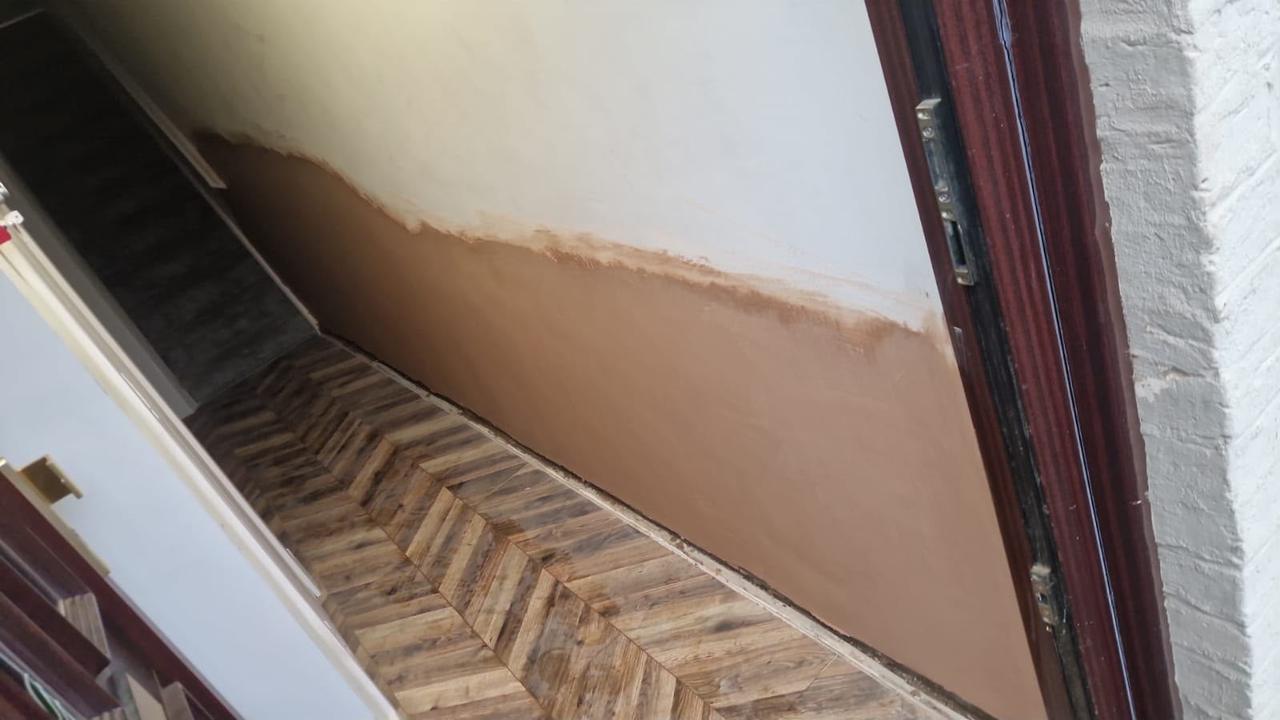
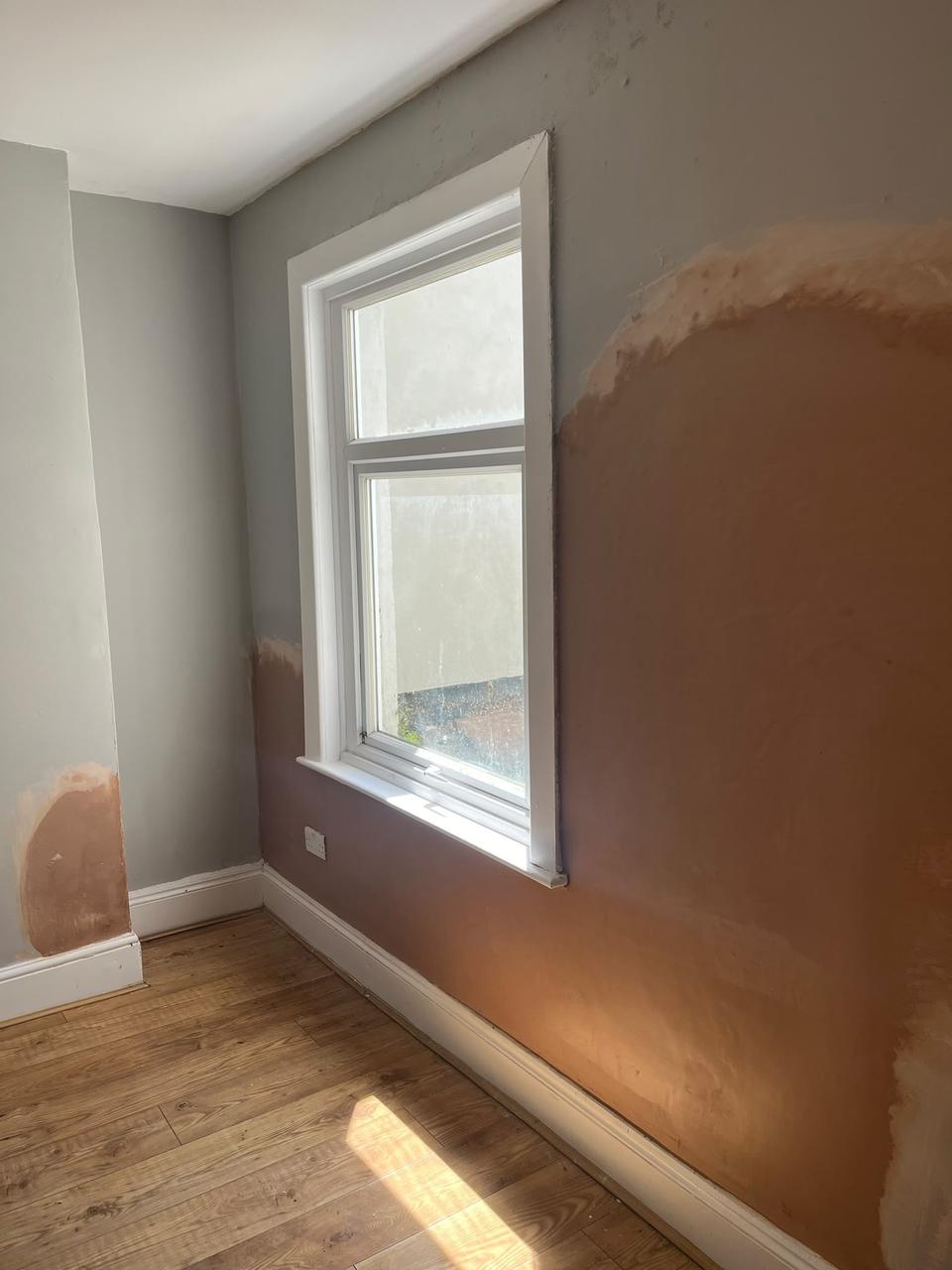
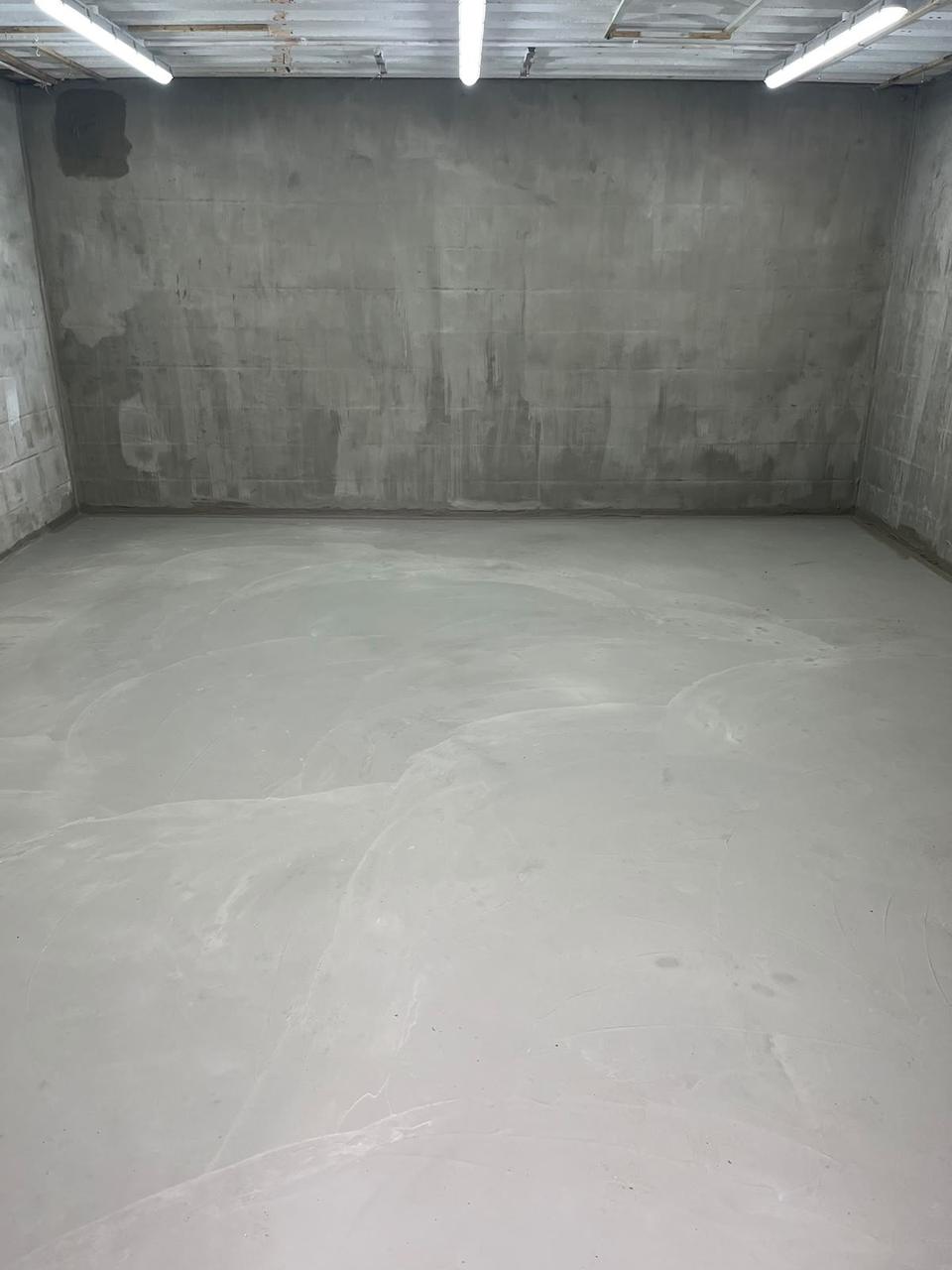
Wall after damp proof plastering

Not sure which one you've got?

Rising, penetrating and condensation look similar and need completely different fixes. Jack will tell you which it is, free.

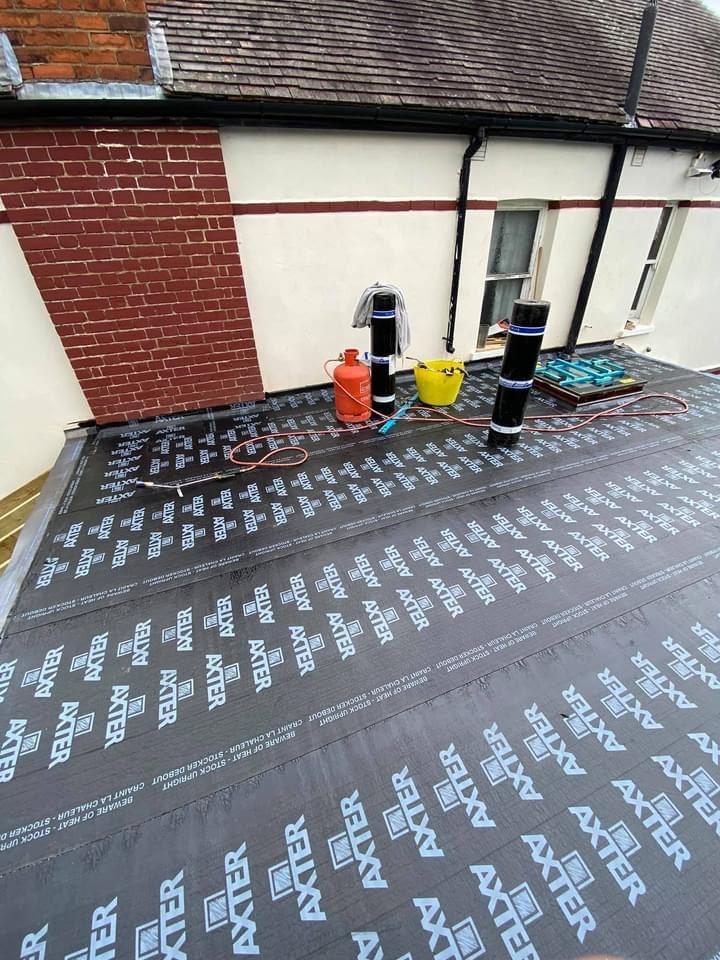
Torch-on felt being laid

Strip it back. Do it once.

We take the covering off, replace anything rotten and insulate to current regs before the new system goes down.

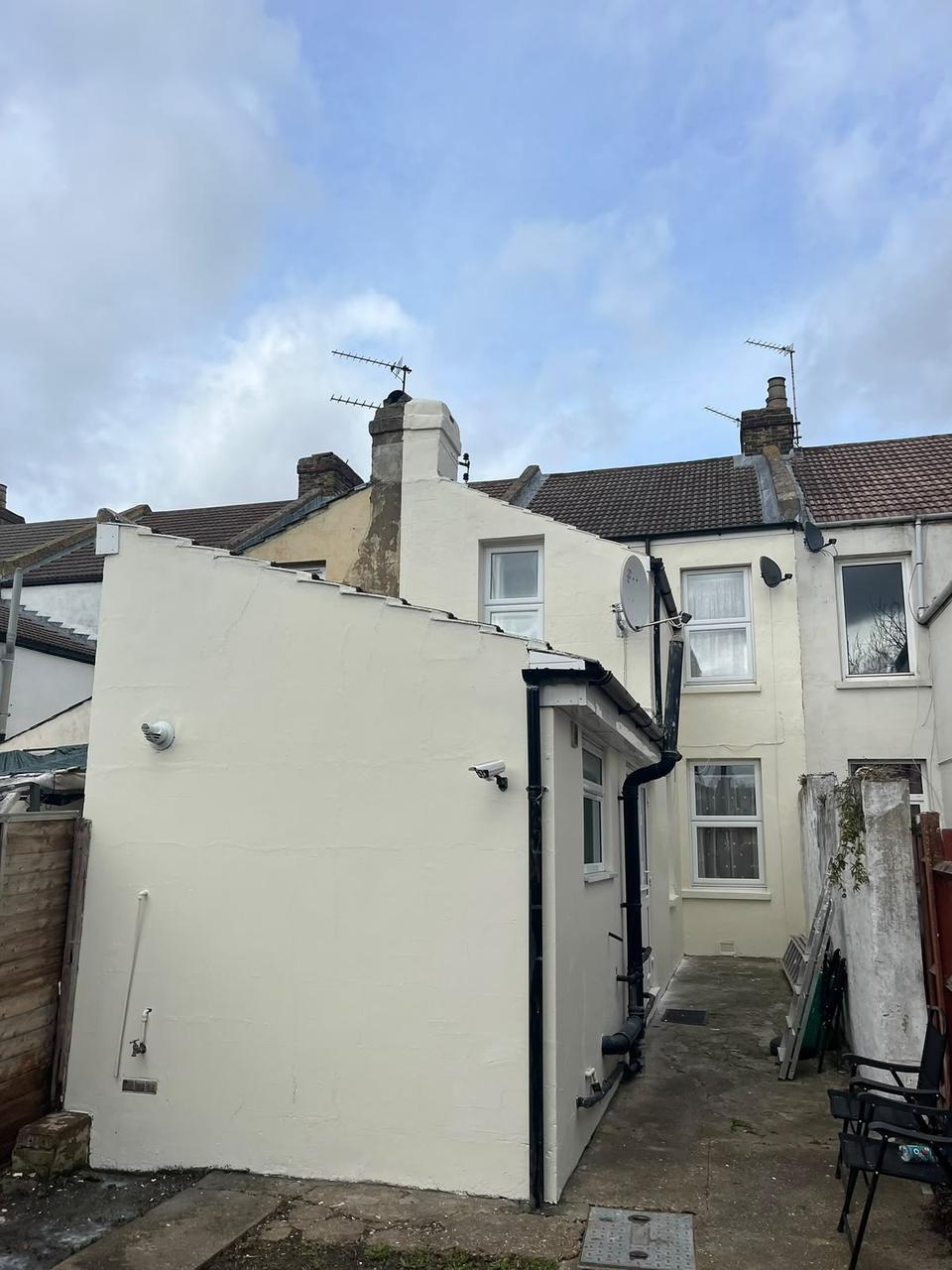
Elevation finished in flexible wall coating

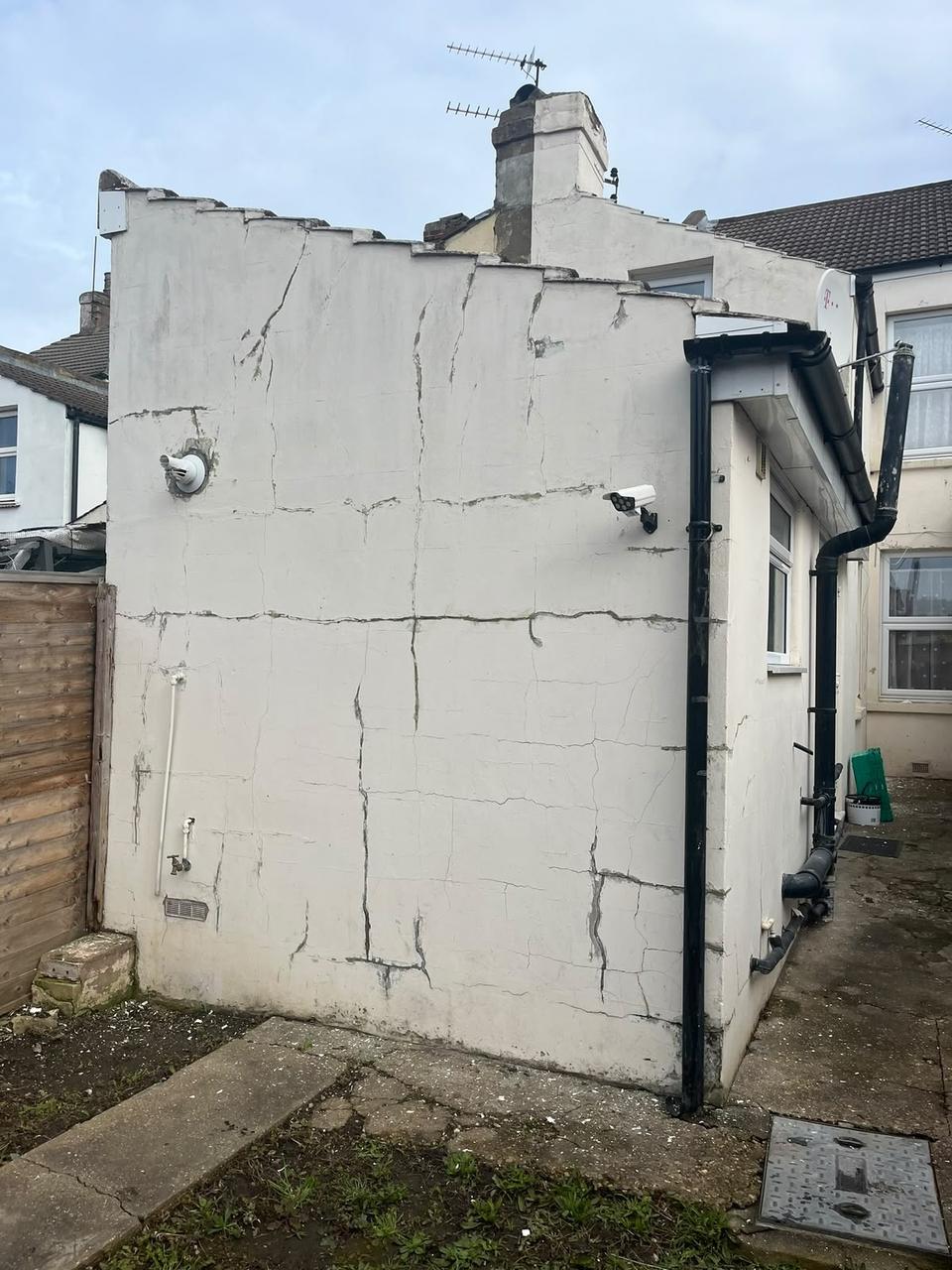
Cracked render, stained walls

A flexible coating bridges hairline cracks and sheds water while letting the wall breathe. Ten to fifteen year finishes.

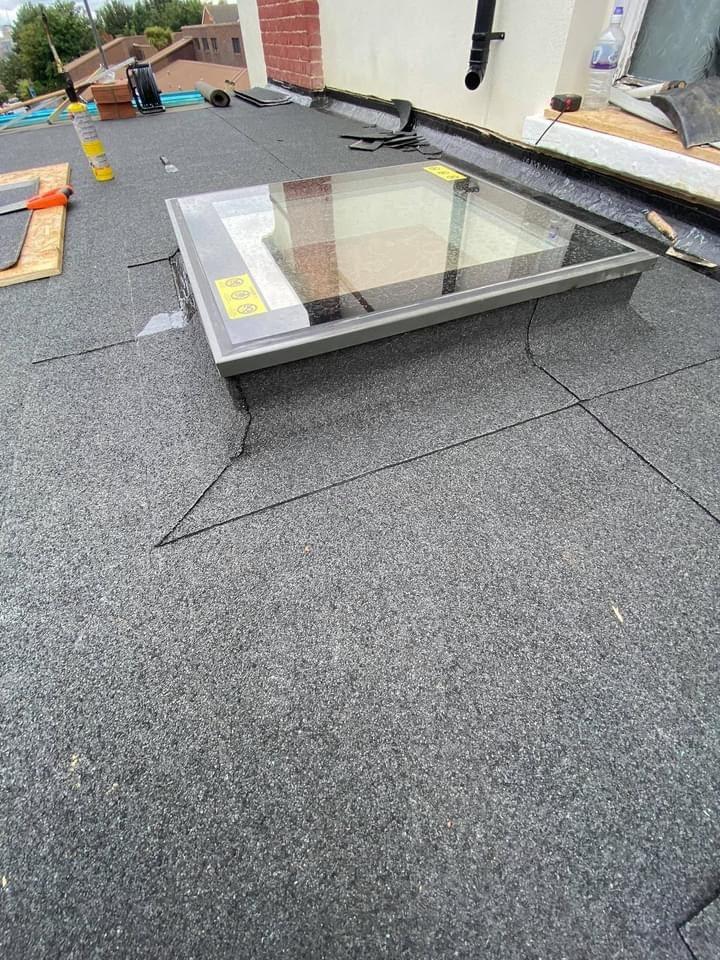
Skylight detail dressed into new felt

Jack, William and a small team

The person who quotes your job runs it, and answers the phone afterwards. Employed teams, £5m public liability.

Meet the team

Damp proofing
in Kent, London
& Essex.

Rising, penetrating and condensation all look similar on a wall and all need completely different fixes. We survey it properly and tell you which one you've actually got — free, and in writing.

WhatsApp a photo
Genuinely free · No obligation
Why diagnosis matters

Three problems. One stain.

A wet patch on a wall tells you water is getting in. It doesn't tell you how. Rising damp comes up from the ground, penetrating damp comes through from outside, and condensation forms on the inside surface — and the wrong treatment on the wrong one is money gone.

This is the reason we survey before quoting. A new damp proof course won't help a wall that's wet because the gutter above it overflows, and no amount of replastering fixes a ventilation problem. We'd rather tell you that on day one than take the job.

What you might be seeing

  • A tide mark about a metre up the wall, with salty white deposits above it
  • Plaster blown, bubbling or coming away from the wall
  • Black mould in corners, behind furniture or around windows
  • A patch that gets noticeably worse after heavy rain
  • Skirting boards or floorboards soft or rotting
  • A musty smell that doesn't shift
  • Wallpaper lifting at the bottom of the wall

Which of these you've got tells us a lot before we even arrive. Send a photo on WhatsApp and Jack will usually tell you what he's looking at the same day.

Types of damp

What you've got, and what fixes it.

01 — Damp

Rising damp treatment

Groundwater drawn up through the masonry because the original damp proof course has failed, been bridged, or was never there in the first place. It's most common in older solid-wall properties, and it leaves a distinctive tide mark with salty white deposits along the top edge.

It is also the most over-diagnosed damp problem in the country. Plenty of walls sold a new damp course didn't need one. We check the external ground level, the gutters and the drainage before we ever recommend injecting anything — because if the path is bridged by a raised patio, a new DPC won't help either.

Failed or missing DPCCause
Usually under 1.2mHeight
Tide mark and salt stainingTell
DPC injection + replasterFix
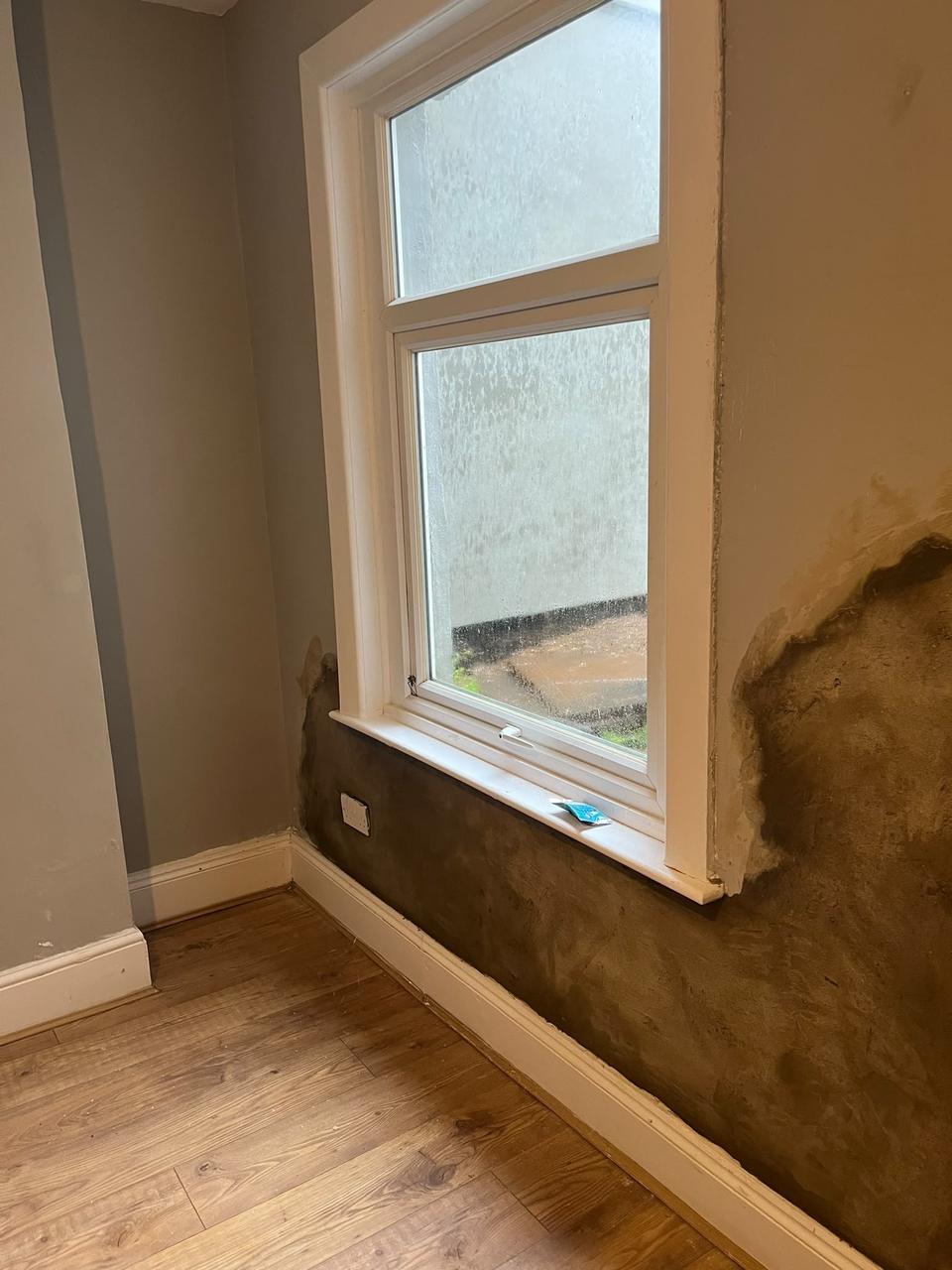
Wall stripped back showing damp damageWall after damp proof plastering
BeforeAfter
02 — Damp

Penetrating damp

Water coming through the wall from outside rather than up from the ground. It usually appears as a defined patch at any height, and the giveaway is that it gets worse after heavy rain and dries back in a spell of good weather.

The source is almost always external: a cracked render, a blocked or overflowing gutter, failed pointing, a leaking downpipe or defective flashing. We fix the cause outside before touching the inside — otherwise you're just replastering a wall that's going to get wet again.

Water from outsideCause
Worse after rainTell
Gutters and renderCommon source
Sort the source firstFix
Cracked render letting water throughElevation after flexible wall coating
BeforeAfter
03 — Damp

Condensation & black mould

Warm moist air from cooking, washing and drying meets a cold surface and condenses on it. It shows up as black mould in corners, behind wardrobes, and around window reveals — the coldest spots in the room — and it's worst in winter.

This one genuinely doesn't need damp proofing, and anyone who tries to sell you a damp course for it is having you on. It needs ventilation, better heating patterns, or insulation to warm the cold surfaces up. We'll tell you which, and often the answer costs very little.

Warm moist airCause
Mould in cornersTell
Winter monthsWorst in
Ventilation, not plasterFix
Interior wall showing damp and mould damage
04 — Damp

DPC injection — 30 year guarantee

Where a wall genuinely does need a new damp proof course, we inject one using the SecoMUR system. Holes are drilled at mortar-course level, the cream is injected, and it spreads through the masonry to form a continuous water-repellent barrier across the wall.

It carries a 30 year guarantee, and you get the paperwork on handover — worth keeping with your deeds, because buyers and their solicitors will ask for it when you come to sell.

SecoMURSystem
30 years+Life expectancy
Injected chemical creamMethod
One to two days typicallyDisruption
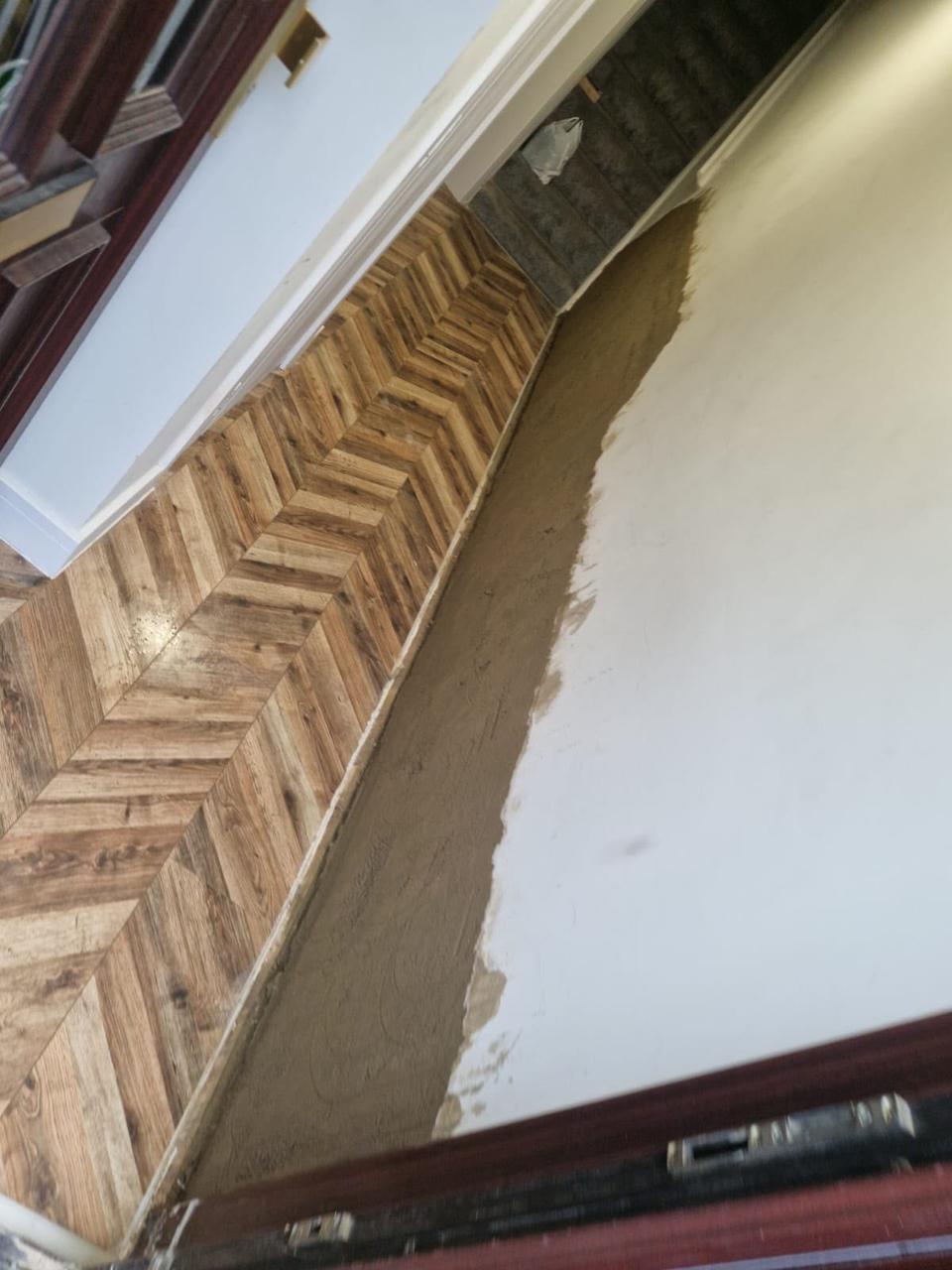
Wall prepared for damp proof course injection
05 — Damp

Damp proof plastering

Injecting a new damp course stops more water rising, but it doesn't remove the salts already contaminating the old plaster. Those salts are hygroscopic — they pull moisture out of the air — so if you leave the old plaster on, the stain comes straight back through your new paint.

We hack off the contaminated plaster to the height needed, apply a salt-inhibiting render, and skim it ready for decoration. The wall then needs time to dry out properly before you paint, and we'll tell you roughly how long rather than leaving you guessing.

Salt-inhibitingRender
Salts stay in the wallWhy
Skimmed ready to decorateFinish
Allow time before paintingDrying
Wall with contaminated plaster removedWall replastered and finished
BeforeAfter
06 — Damp

Ventilation & PIV systems

Where the problem is moisture in the air rather than water in the wall, the answer is getting that air out of the building. Humidity-sensing extract fans in the kitchen and bathroom, clearing or adding air bricks, or a positive input ventilation unit in the loft that gently pushes fresh filtered air through the whole house.

It's the least glamorous thing we fit and often the most effective, particularly in flats and well-sealed modern homes where there's simply nowhere for the moisture to go.

Extract fans · Air bricks · PIVOptions
CondensationBest for
Pennies a dayRuns at
Usually in a dayFitted
Ventilation and waterproofing work in progress
What it costs

Priced properly, after we've seen it.

We don't publish a price per metre for damp work, because the honest answer depends on what's causing it, how much plaster is contaminated and how much wall is affected. What you get instead is a free survey and one fixed figure before anything starts.

What moves the price

How much wall

A single chimney breast is a different job to a whole ground floor. Length of wall treated and height of plaster removed are the main drivers.

What moves the price

What's causing it

Sorting an overflowing gutter costs a fraction of injecting a damp course. Sometimes the cheap answer is the right one, and we'll say so.

What you get

A written diagnosis

What we found, what's causing it, what needs doing and what doesn't — before you spend anything at all.

If the survey shows you don't need damp proofing, we'll tell you that and you'll have paid nothing. It happens more often than you'd think, and it's the reason people send their neighbours to us.

Why people use us

Twenty years of getting the diagnosis right.

30 year guarantee

On the SecoMUR injected damp proof course. Paperwork handed over on completion.

Findings in writing

What's causing it and what it needs — including when the answer is that you don't need us.

Jack and William

The person who surveys is the person who does the work. Employed team, not subcontracted.

NVQ qualified

CITB CSkills Level 2 in wood preserving and damp proofing. £5m public liability.

What people say

Damp jobs across Kent

★★★★★Google

Really pleased with everything Jack and the team did at my home. The few things that cropped up were sorted quickly, and nothing has come back even after all the heavy rain.

Ruby-Leigh TaylorDamp proofing
★★★★★Google

Professional and knowledgeable from start to finish. They turned up when they said they would, cleared up after themselves and explained everything in plain terms. The house is in noticeably better condition.

Ferdinand ReginoldDamp proofing
★★★★★Checkatrade

Jack arrived on time to quote and explained the problem without the jargon, so we understood what needed doing. The team worked efficiently and took all the rubbish away.

Checkatrade customerDamp proofing

Not sure which one you've got?

That's the normal position, and it's exactly what the free survey is for. Send a photo over and we'll give you a straight answer before anyone books anything.

WhatsApp a photo 01474 612 066
Straight answers

Damp questions we get every week

How do I know if it's rising damp and not something else?
Rising damp leaves a tide mark up to about a metre with salt staining above it, and it's there whatever the weather. Condensation shows as black mould in corners and around windows and is worst in winter. Penetrating damp appears as a patch that gets worse after rain. They need completely different fixes, which is why we survey before quoting.
What guarantee comes with the damp proof course?
Our injected damp proof course uses the SecoMUR chemical system and carries a 30 year guarantee. You'll get the paperwork when we hand the job back — keep it with your deeds, as buyers and their solicitors will ask for it.
Do I really need a new damp course?
Often not. Rising damp is heavily over-diagnosed, and plenty of walls have been injected when the real problem was a raised patio bridging the existing damp course, or a gutter emptying down the wall. We check the outside before we recommend anything to the inside.
Why does the plaster have to come off?
Because the salts left in the old plaster attract moisture out of the air on their own. Inject a new damp course but leave the contaminated plaster on, and the staining comes back through your new paint within months. Hacking it off and replastering with a salt-inhibiting render is what makes the fix permanent.
How long before I can decorate?
New plaster needs to dry out thoroughly first, and painting too early traps moisture and causes the finish to fail. We'll give you a realistic timescale for your particular job and recommend a breathable finish for the first coat.
Can you work with a tenant in the property?
Yes, regularly. We can survey around a tenant, work to a schedule that suits them and provide the written report letting agents and landlords need for their records.
Is the survey really free?
Yes. Jack comes out, takes meter readings, checks the outside of the property and tells you what he finds — at no cost and with no obligation to use us. If the fix is something simple you can sort yourself, he'll say so.
Call WhatsApp Free survey